How Sleeper Sectionals Complement Interior Architecture
30 October 2025
Living Geometry: How Sleeper Sectionals Complement Modern Interior Architecture
Architecture doesn’t stop at the walls. It extends into the furniture that defines how we move, sit, and inhabit space. Among the quiet essentials of modern living, the sleeper sectional has emerged as an architectural object in its own right – sculptural, functional, and deeply adaptive.
When designed and placed thoughtfully, it doesn’t just fill a room; it shapes it.
This piece explores how today’s sleeper sectionals integrate with contemporary interior architecture – aligning proportion, flow, and material to create spaces that feel both composed and alive.
Key Takeaways
● Furniture has become a form of interior architecture – shaping how space is used and perceived.
● Sleeper sectionals bridge form and function, balancing beauty and practicality.
● Material, scale, and proportion are key to architectural harmony.
● Modular and adaptive designs reflect how people actually live today.
1. Furniture as built environment
In contemporary interiors, the line between architecture and furnishing has blurred. A sectional doesn’t sit within a space anymore – it helps define it.
Architects often describe furniture as the “second skin” of a room. The modern sleeper sectional embodies that idea perfectly. Its modular geometry interacts with light, circulation, and sightlines, creating micro-zones for rest, conversation, or reflection.
Placed strategically, it can break an open plan into layers without needing walls – a gesture of architecture achieved through softness instead of structure.
2. The balance of form and purpose
Historically, convertible furniture was hidden, apologetic – practical but rarely elegant. Today’s sleeper sectionals reject that compromise. Their forms are clean, deliberate, and often architectural in themselves: low silhouettes that anchor a room, subtle seams that echo joinery, cushions that read like volume studies in comfort.
Good design feels inevitable. A well-made sleeper sectional occupies a space the way a staircase or window might – with presence and precision.
3. Proportion and placement
Scale is the language of architecture, and sectional sleepers speak it fluently.
Before color or fabric, consider proportion. How does the height relate to window lines? Does the depth allow movement without disrupting circulation? Does the chaise mirror the room’s axis or oppose it for tension?
A sectional positioned parallel to a major light source can elongate perspective; angled placement softens geometry and invites flow. The right orientation transforms a room’s energy – turning function into composition.
4. Material as emotion
Architectural harmony isn’t achieved through symmetry alone. It comes from dialogue between materials – wood, stone, fabric, metal – and the emotions they carry.
The texture of a linen-blend upholstery beside natural oak, or the depth of boucle against concrete, tells a story of contrast and balance. These tactile intersections make a space feel human.
Modern sleeper sectionals come in a wide spectrum of finishes – vegan leathers, performance chenilles, woven neutrals – allowing them to echo or counterpoint the surrounding architecture. The best results feel effortless, like the space and the piece were designed together.
5. Adaptability as design integrity
Architecture is increasingly flexible – homes that shift between work and rest, studios that double as guest spaces. A sleeper sectional fits this philosophy by design.
Its hidden mechanism and modular build embody the same principle as adaptable architecture: functionality without compromise. When opened, it extends the footprint of living. When closed, it preserves clarity.
This duality mirrors modern architectural ideals – light, modularity, sustainability, and restraint.
Apartment Therapy’s guide to the best sectional sleepers shows how these designs achieve visual calm while concealing extraordinary complexity beneath the surface.
6. Sustainability through longevity
True architectural design resists disposability. A sleeper sectional built from solid hardwood or steel framing, with replaceable covers and renewable cushioning, carries that same ethic. It’s a piece meant to evolve with the space – not replace it.
Sustainability in interiors now means creating elements that adapt, not expire. A well-chosen sleeper sectional participates in that cycle, adding decades to both design and material integrity.
Closing Thoughts
Great furniture doesn’t compete with architecture; it completes it.
A sectional that invites rest by night and conversation by day proves that design intelligence isn’t about excess – it’s about empathy for space and the people who occupy it.
In that sense, the modern sleeper sectional isn’t merely a convenience. It’s a continuation of architecture itself – a reminder that form and function, when truly aligned, can make even the simplest room feel designed for life.
Comments on this guide to How sleeper sectionals complement modern interior architecture guide, Living geometry advice article are welcom
Property
Building Designs – recent selection:
Coca-Cola Arena Dubai
Architects: Populous
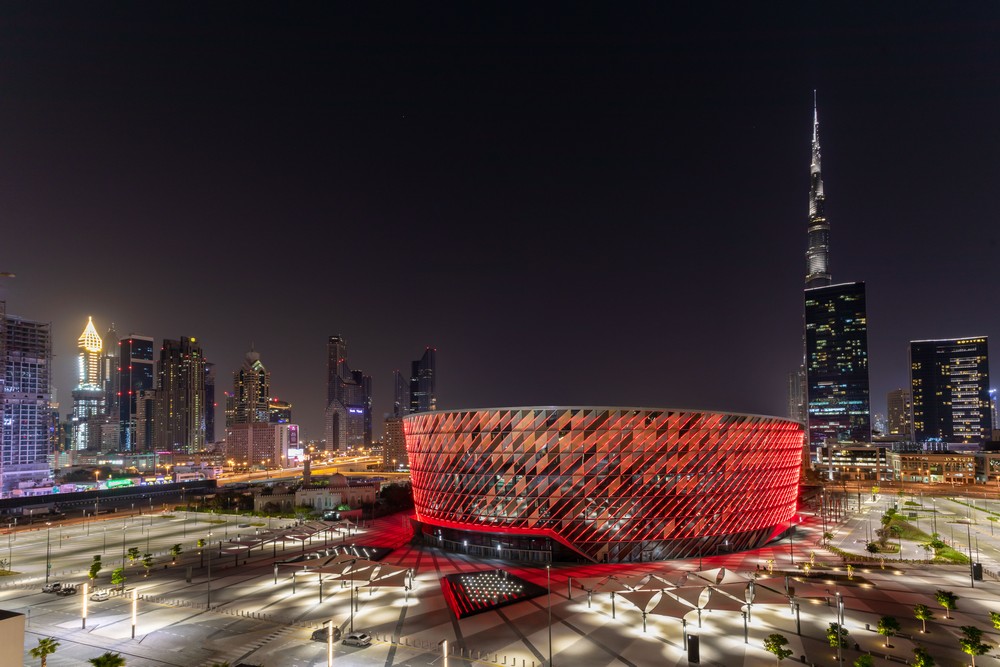
photo courtesy of architects studio
The Opus Hotel in Dubai
Design: Zaha Hadid Architects
+++
Architectural Designs
New Architectural Designs – selection:
Reasons to purchase an apartment in Dubai Festival City
Resolve Real Estate Disputes in Dubai
Comments / photos for the How sleeper sectionals complement modern interior architecture guide, Living geometry advice page welcome.