How Modern Insulation Solutions Are Reducing Australian Energy Bills
10 August 2026
Australian households and businesses are paying closer attention to energy efficiency as electricity and gas costs continue to climb. Although many people focus on upgrading appliances or installing solar panels, a building’s insulation performance can have just as much influence on year-round energy use.

Modern solutions such as spray foam insulation reduce unwanted heat transfer and air leakage, helping homes and commercial properties stay comfortable with less reliance on heating and cooling.
This blog examines the factors behind rising energy bills, the shortcomings of traditional insulation, and the modern solutions that are helping Australian properties become more energy efficient.
Why Energy Bills Continue to Rise in Australia
For many Australians, higher energy bills have become a regular concern. Rising prices are part of the reason, but homes that don’t hold indoor temperatures well usually require more heating in winter and more cooling in summer, increasing day-to-day energy use.
Energy is commonly lost through:
- Roofs and ceilings
- External walls
- Floors and underfloor areas
- Gaps around doors, windows and structural joints
Reducing this energy loss is one of the simplest ways to lower ongoing utility bills.
The Limitations of Traditional Insulation Materials
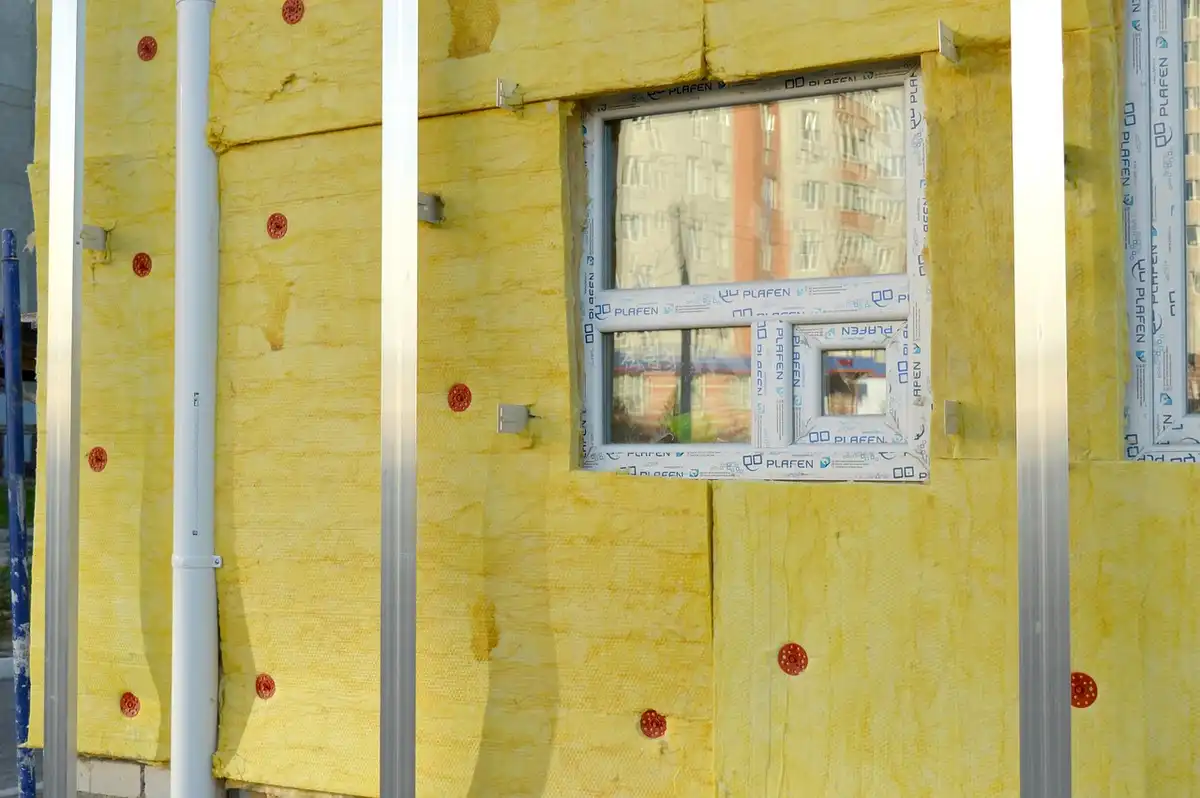
Not all insulation performs the same way over the long term. As some materials age, they can shift, compress or leave small gaps that allow unwanted airflow to pass through the building. This gradual loss of performance can make it harder to maintain a comfortable indoor temperature.
Many Australian homes still have insulation that was installed decades ago. Wear and tear can reduce its effectiveness, making it harder to keep indoor temperatures comfortable and leaving heating and cooling systems to do more of the work.
Modern Insulation Technologies Changing the Industry
Air Sealing Benefits
Modern insulation solutions help seal small gaps where air can enter or escape. This reduces drafts, improves energy efficiency and helps maintain a more stable indoor temperature throughout the year.
Higher Thermal Performance
The way insulation manages heat has a noticeable effect on indoor comfort. Products with higher R-values slow the transfer of heat, making it easier to keep interiors comfortable through both hot summers and cooler winters.
Moisture Resistance
Moisture is one of the biggest threats to long-term insulation performance. Keeping it out helps prevent condensation, reduces the chance of mould, and protects surrounding building materials from unnecessary deterioration.
How Better Insulation Directly Reduces Energy Costs
Energy use changes from one home to another, but poor temperature control often leads to higher heating and cooling demand. Improving insulation reduces that demand, making it easier to keep household energy costs in check.
Benefits include:
- Lower heating costs during winter
- Reduced cooling costs during summer
- Less strain on heating and cooling systems
- Long-term energy savings
Additional Benefits Beyond Lower Bills
Improved Indoor Comfort
A more even indoor temperature makes living and working spaces feel comfortable throughout the day. Good insulation helps reduce hot and cold spots, creating a more balanced indoor environment.
Noise Reduction
Insulation can do more than improve thermal performance. It also reduces outside noise and limits sound travelling between rooms, creating a quieter indoor space.
Increased Property Value
Energy-efficient homes and commercial buildings are increasingly attractive to buyers and tenants looking for lower running costs and improved comfort.
Reduced Carbon Footprint
Heating and cooling use a significant amount of energy in many Australian buildings. When less energy is needed to keep indoor spaces comfortable, the associated emissions are lower as well.
Applications Across Different Property Types
Modern insulation is found in a variety of Australian properties, such as:
- Residential homes
- Commercial buildings
- Warehouses and factories
- Sheds and agricultural buildings
Although the requirements vary from one property to another, effective insulation helps improve temperature control, reduce energy use and lower operating costs.
Choosing the Right Insulation Solution for Australian Conditions
No single insulation product is suitable for every Australian property. Local climate, the type of building and the expected level of thermal performance all play a part in the decision. Taking the time to compare moisture resistance, durability and installation quality can lead to better long-term value and lower energy bills.
Conclusion
Rising energy costs have made effective insulation more important than ever for Australian homes and businesses. The right insulation can improve thermal performance, reduce energy demand and create a more comfortable indoor environment throughout the year.
Taking the time to review your property’s existing insulation and upgrade where needed can deliver lasting savings while supporting better building performance for years to come.
Comments on this guide to How modern insulation solutions reduce Australian energy bills article are welcome.
Property Renewal
Property Build Articles
Aluminium doors for modern homes pros and cons
Creating balance between practical upgrades and taste
++
Workspace Building Design
Comments / photos for the How modern insulation solutions reduce Australian energy bills page welcome.