
Home Upgrades That Improve Comfort Without a Big Budget
19 January 2026
Comfort at home isn’t about luxury—it’s about ease. It’s how warm a room feels on a cold morning, how relaxed you are at the end of the day, and how smoothly everyday routines flow. The good news is that improving comfort doesn’t require a full renovation or a big budget. Some of the most effective upgrades are small, inexpensive changes that address everyday friction.
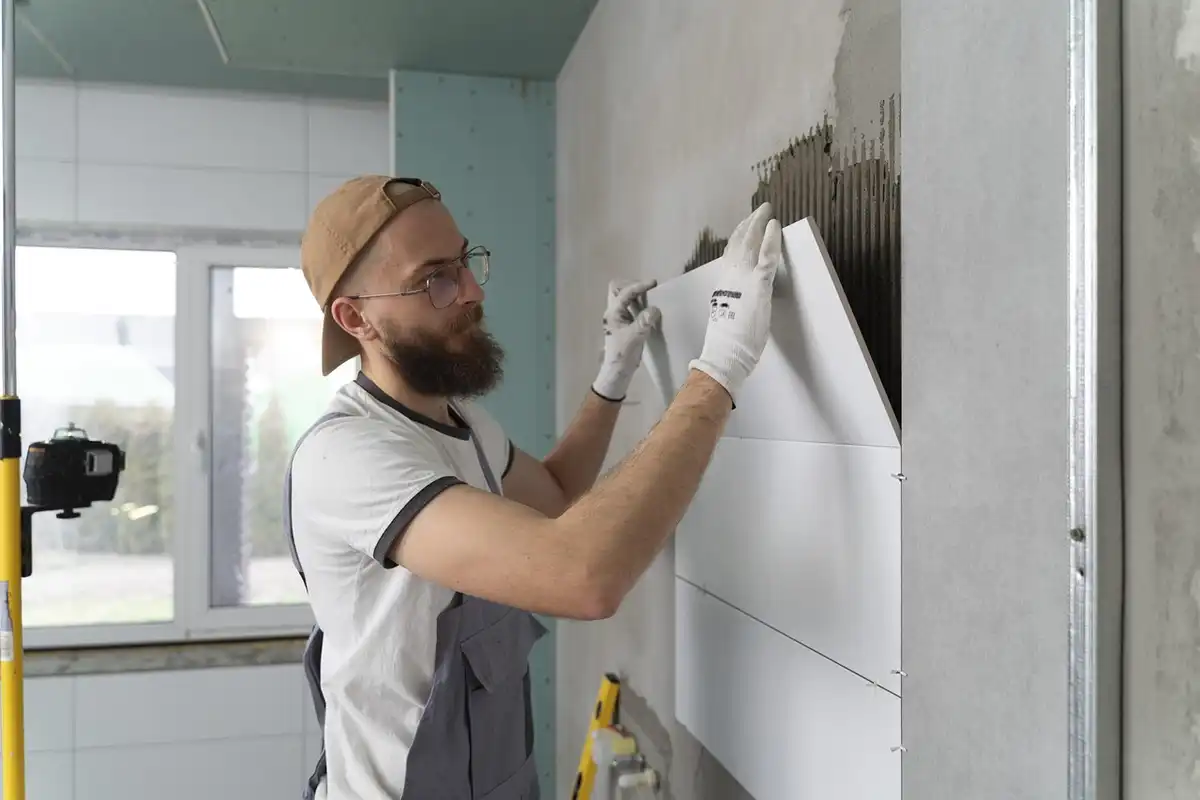
Instead of thinking in terms of dramatic upgrades, think in terms of daily experience. When you focus on what makes your home easier, calmer, and more pleasant to live in, smart improvements become much easier to spot.
Start With Everyday Annoyances
The best place to begin is by noticing what mildly irritates you on a daily basis. Is one room always colder than the rest? Does your lighting feel harsh or dim? Are there areas that feel cluttered or awkward to use?
Fixing small annoyances often delivers a bigger comfort payoff than large visual upgrades. These are the changes you’ll feel immediately, not just notice once.
Look for Practical Ideas Before Big Purchases
Before committing to new furniture or major changes, it’s helpful to explore practical, budget-conscious ideas that prioritize function over style. Browsing resources like theblog usefulideas net can provide inspiration focused on simple, realistic home improvements—things that improve comfort without requiring special tools, professional help, or large investments. Seeing everyday solutions can help reframe comfort as something achievable in small steps, rather than an all-or-nothing project.
This mindset keeps upgrades manageable and reduces the temptation to overspend.
Improve Lighting for Instant Impact
Lighting is one of the fastest ways to improve comfort. Harsh overhead lighting can make spaces feel cold or tiring, while dim rooms strain the eyes. Switching to warmer LED bulbs, adding a floor lamp, or using task lighting in work areas can instantly change how a room feels.
These upgrades are affordable, renter-friendly, and easy to adjust as needs change.
Use Soft Furnishings to Add Warmth
Comfort is often tactile. Hard surfaces and empty spaces can feel uninviting, even in well-designed rooms. Adding rugs, curtains, or throw blankets introduces warmth, reduces noise, and improves insulation.
Area rugs help regulate temperature and make walking barefoot more comfortable, while curtains can block drafts and soften natural light. These are flexible upgrades that don’t require permanent changes.
Seal Drafts and Regulate Temperature
Drafty windows and doors are a common source of discomfort—and higher energy bills. Weather stripping, door draft stoppers, and outlet insulation are low-cost fixes that make a noticeable difference year-round.
These upgrades don’t alter the look of your home, but they greatly improve how stable and comfortable indoor temperatures feel.
Rearrange Before You Replace
Sometimes comfort issues come from layout, not lack of furniture. Rearranging existing pieces can improve flow, access to light, and overall usability.
Try moving seating closer to natural light, repositioning workspaces away from distractions, or clearing walkways to make rooms feel more open. These changes cost nothing but can dramatically improve how a space functions.
Declutter to Reduce Visual Stress
Clutter quietly undermines comfort. Even attractive items can create mental noise when there are too many of them. Decluttering surfaces, organizing storage, and reducing visual distractions can make rooms feel calmer and more spacious.
This doesn’t mean minimalism—it means intentionality. Keeping only what serves a purpose or brings enjoyment improves both physical and mental comfort.
Upgrade Small Functional Details
Some of the most satisfying upgrades are tiny functional improvements that remove daily friction:
- Replacing an old showerhead for better water pressure
- Adding soft-close pads to cabinet doors
- Using drawer organizers to simplify storage
- Installing stick-on hooks for frequently used items
These upgrades are inexpensive, easy to install, and improve everyday routines immediately.
Enhance Comfort Through Sensory Details
Comfort involves more than temperature and furniture. Sensory details—sound, scent, and texture—play a big role in how a home feels.
Adding plants improves air quality and visual calm. Soft background music or white noise can make a space feel more peaceful. Cozy textures like blankets or cushions encourage relaxation without requiring permanent changes.
Focus on the Rooms You Use Most
You don’t need to upgrade your entire home at once. Concentrate on the spaces where you spend the most time, such as the bedroom, living room, or home office. Improving comfort in just one or two key areas can significantly enhance overall quality of life.
Targeted upgrades make better use of a limited budget and deliver faster results.
Let Small Changes Build Over Time
Comfort-focused upgrades don’t need to happen all at once. Making gradual improvements allows you to evaluate what works and adjust as needed. Over time, these small changes compound, creating a home that feels more supportive and enjoyable without financial strain.
Improving comfort at home isn’t about spending more—it’s about paying attention. By addressing everyday annoyances, using practical ideas, and making small, intentional upgrades, you can transform how your home feels without stretching your budget. Comfort grows from consistency, not cost.
Comments on this guide to Simple Home Upgrades That Improve Comfort Without a Big Budget article are welcome.
Structural Design & Building Construction
Building Structure & Construction Posts

Integrating humans with AI in structural design
Modular Building and Prefabricated Construction
7 Tallest skyscrapers under construction
++
Buildings
Architecture Articles
Comments / photos for the Simple Home Upgrades That Improve Comfort Without a Big Budget page welcome.


