Home Energy Production Guide
19 January 2026
Can your home actually produce energy? The rise of energy-positive architecture
For decades, sustainable housing has revolved around the idea of simply using less energy – to ‘insulate better’ or ‘seal the drafts’. It makes sense – UK housing is dominated by leaky Victorian terraces and post-war housing where the heat easily leaks out through walls, windows, and roofs. But a new idea focuses on performance rather than just energy efficiency. Energy-positive architecture describes buildings that generate more energy than they consume.
These next generation homes feed surplus electricity back into the grid or store it for later use. Homeowners get lower bills, greater financial resilience, and buildings designed for the realities of a changing climate. Read on to find out how energy-positive architecture works in practice, why it makes economic sense, and practical steps that homeowners and developers to transform their properties into producers rather than just consumers of energy.
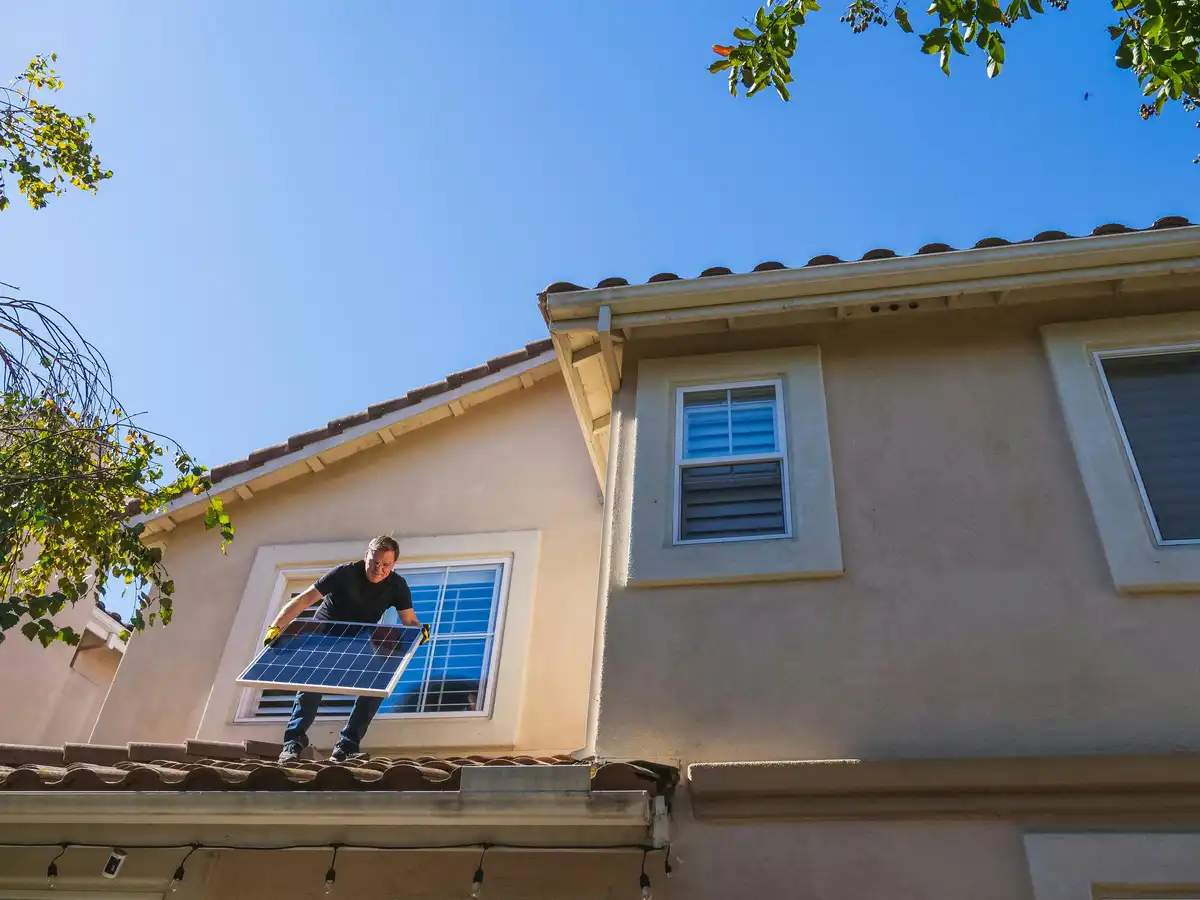
The energy-positive architecture tech stack
Energy-positive buildings start with a ‘fabric first’ approach that focuses on reducing energy demand as far as possible before adding in renewable generation. This involves implementing high-performance insulation, triple-glazed windows, and rigorous airtightness to create a ‘building envelope’ that retains heat in winter and keeps out excess warmth in summer. This way, demand is reduced and renewable technologies such as solar PV systems, heat pumps, and battery storage become far more effective since they operate upon a low-energy baseline. The building stops leaking value and renewables generate a surplus (this is the ‘profit’ of energy-positive performance).
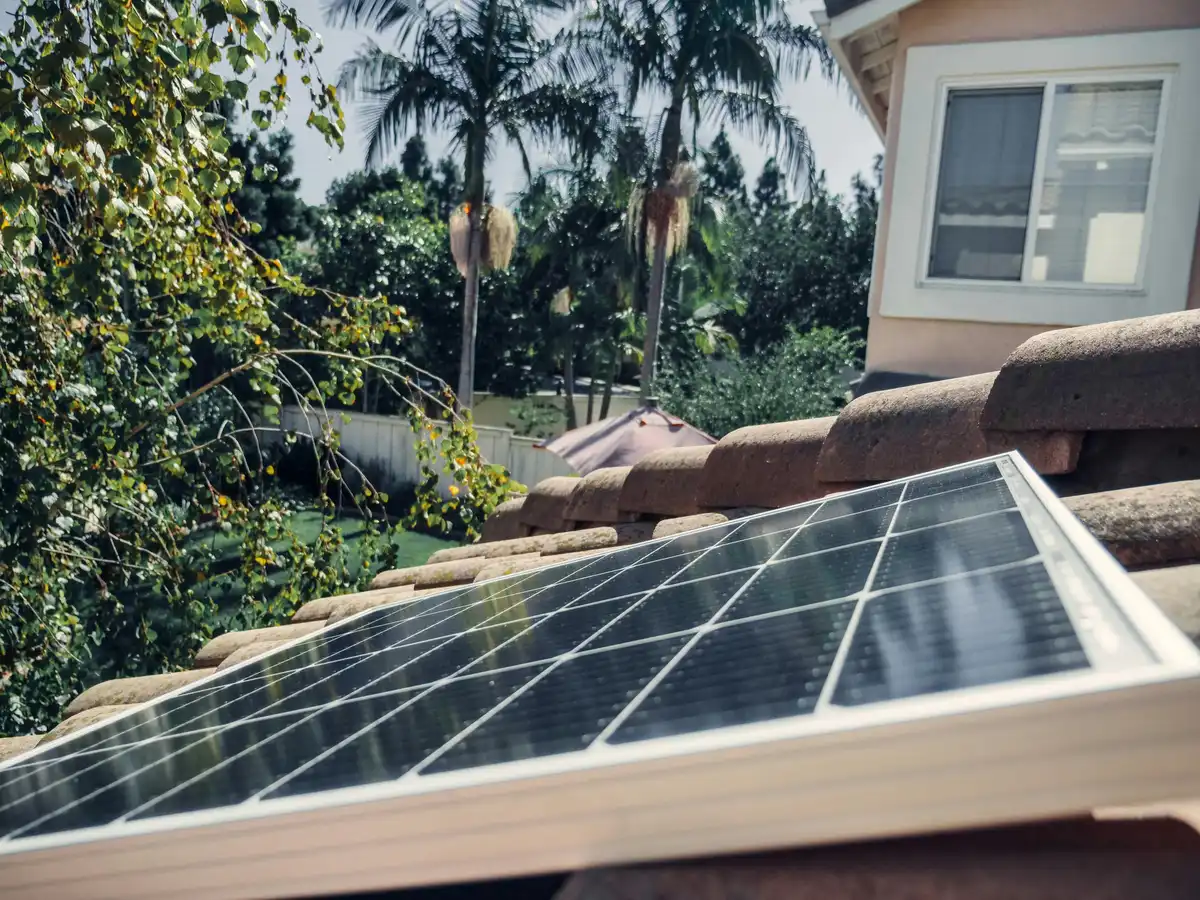
The financial benefits of energy independence
Energy-positive architecture is not just about being environmentally responsible. These days, energy markets are increasingly volatile and producing your own power can be a hedge against rising costs. Imagine your property with rooftop solar and efficient systems that can run high-drain appliances (such as washing machines or EV chargers) during peak hours without pulling any electricity from the grid. This independence will impact household finances since energy becomes predictable rather than uncertain. As grid prices go up and down in line with geopolitical or supply pressures, an energy-positive home will be insulated from these shocks and give you long-term economic resilience.
Key steps when transitioning your property to energy-positive
If you’re a homeowner who is interested in making your property energy positive, the good news is that the transition doesn’t have to be overwhelming. Start with an audit: find a local retrofit coordinator who can fully assess your property’s performance. Next, smart small by prioritising investment in the building envelope (insulation, glazing, airtightness) before you commit to large renewable installations. Finally, you need to monitor performance with smart home hubs that allow you to track energy generation vs consumption in real time so you can immediately see where improvements deliver the greatest return.
Energy-positive architecture: The future of housing
Energy-positive architecture is a shift from traditional passive conservation to active generation. It’s about buildings that give you power, comfort, and stability. And with the UK’s changing climate and uncertain energy landscape, homes that produce more than they consume offer a exciting glimpse into a smarter, more resilient way to live.
Comments on this Home energy production, surplus electricity to grid article are welcome.
Home Energy & Energy Efficient Building
Home Energy Posts
Teaching your family how to save energy
How to Design an Energy Efficient Building
Can you have a net-zero house?
++
Buildings
Residential Architecture Articles
Comments / photos for the Home energy production, surplus electricity to grid guide page welcome