Designing Out Danger: Advocacy Group Warns of Hidden Home Hazards for Older People
3 February 2026
Architects and homeowners are being urged to take a closer look at how everyday design features can put older people at risk in their own homes. Advocacy group Help for Seniors says that common elements such as loose carpets, poor lighting and awkward storage are quietly increasing the likelihood of falls, burns and other preventable accidents among people in later life.
A recent poll commissioned on behalf of Help for Seniors found that more than half of adults with retirement‑age parents have already made, or recommended, changes to their parents’ homes to make them safer. For many families, those adjustments start with simple measures, but the charity argues that better design at the outset would reduce the need for retrofits and allow people to stay independent for longer.
“Most of the risks we see are not dramatic structural problems,” says Nathan Cook of Help for Seniors. “They are small, familiar details – a rug in the wrong place, a dim stairwell, a bathroom without a handhold – that gradually become more hazardous as someone’s balance, vision or strength changes with age.”
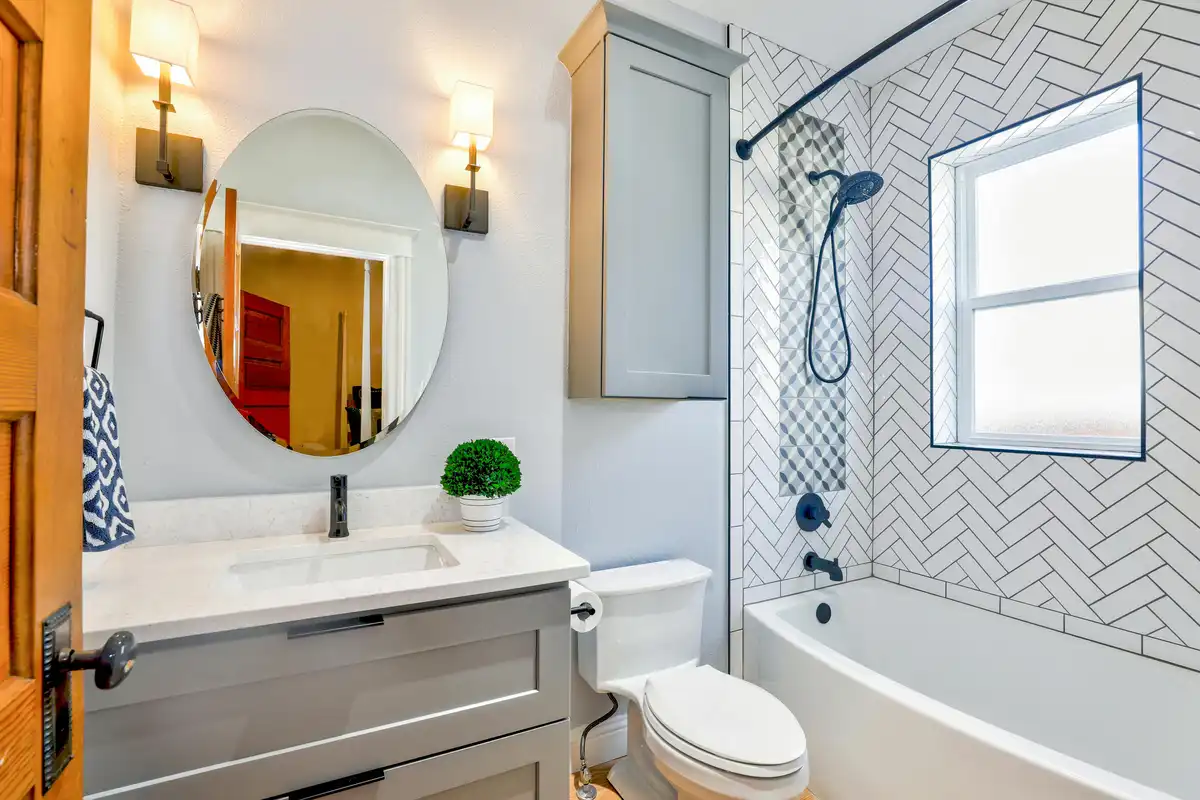
The organisation is particularly concerned about falls and trips, which remain the most common cause of injury in older age. Loose rugs and mats, electrical cables trailing across walkways, cluttered hallways and uneven flooring can all turn straightforward routes through the home into obstacle courses. Bathrooms and stairs are especially high‑risk: slippery, hard surfaces, low toilet seats and poorly lit or rail‑free staircases significantly increase the chance of serious falls for older occupants.
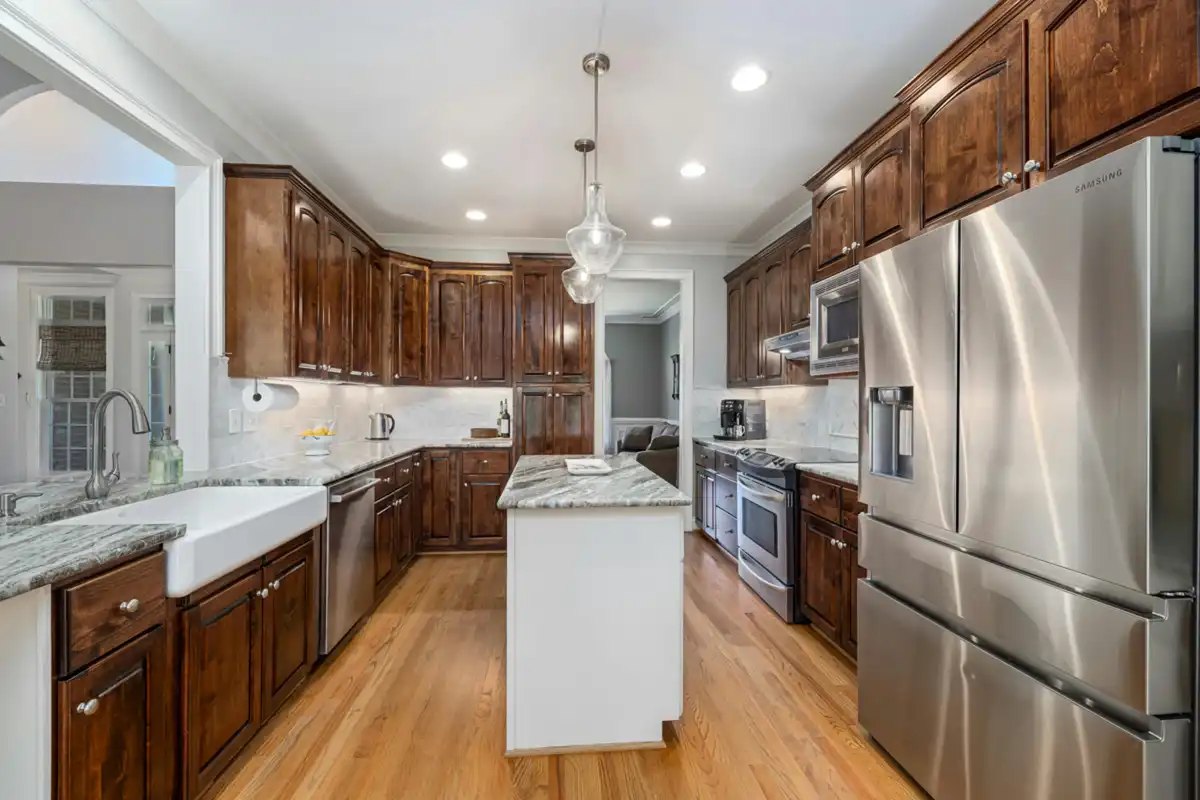
Help for Seniors, also highlights kitchen and fire hazards, including unattended cooking, overloaded sockets and hot water burns. Storage that forces people to reach too high or too low, and lighting schemes that leave shadows on steps or create glare, compound the risks, particularly for those with impaired sight or mobility.
Cook believes architects and designers can play a central role in addressing these issues at the planning and refurbishment stage. “Good design can remove many of these hazards before they ever appear,” he says. “Clear, level circulation routes, generous lighting, well‑placed handrails and fittings that reduce the need to reach or climb make a home easier and safer to use for everyone, not just older residents.”
Practical measures recommended by Help for Seniors include removing or securing rugs with appropriate fixings, installing grab bars in bathrooms and continuous handrails on both sides of staircases, improving lighting in corridors and on steps, and keeping frequently used items at waist height. The charity also encourages the use of discreet personal alarms or call systems for those living alone, so that help can be summoned quickly if an accident does occur.
The message is that aesthetics and safety are not in opposition. A well‑detailed stair, a carefully lit hallway or a thoughtfully planned kitchen can reduce risk while still meeting high design standards. As Britain’s population ages, Help for Seniors is calling for more projects that integrate these considerations from the outset, turning homes into places where older people can live both safely and well into later life.
Comments on this guide to Hidden home hazards for older peoplefor homeowners article are welcome.
Structural Design & Building Construction
Building Structure & Construction Posts
Integrating humans with AI in structural design
Modular Building and Prefabricated Construction
7 Tallest skyscrapers under construction
++
Buildings
Architecture Articles
Comments / photos for the Designing Out Danger: Advocacy Group Warns of Hidden Home Hazards for Older People page welcome.