Daylighting Strategies: Designing Interiors with Light, Shadow and Smart Controls
17 November 2025
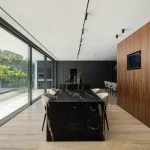
Daylight has always been central to architecture, but the way we use it is changing. Once, the primary aim was to maximise natural light as much as possible — large windows, open layouts, and bright surfaces. But modern design thinking is evolving beyond that. Today’s best interiors use light with precision: balancing brightness, shadow and technology to create spaces that shift throughout the day, supporting both comfort and efficiency.
This new generation of daylighting strategies combines natural and artificial systems that respond to how a space is used. From automated shading to dynamic glass and intelligent lighting controls, the aim is no longer just to ‘let light in’, but to orchestrate it for human wellbeing and energy performance.

The New Role of Daylight in Interior Design
In contemporary British architecture, daylight isn’t just a functional resource — it’s an emotional one. Research consistently shows that natural light supports mood, focus and overall wellbeing. The difference now lies in how it’s managed. Rather than static windows that flood a room regardless of the hour, adaptable daylighting strategies allow designers to sculpt the character of light according to time, season and purpose.
Balancing Brightness and Shadow
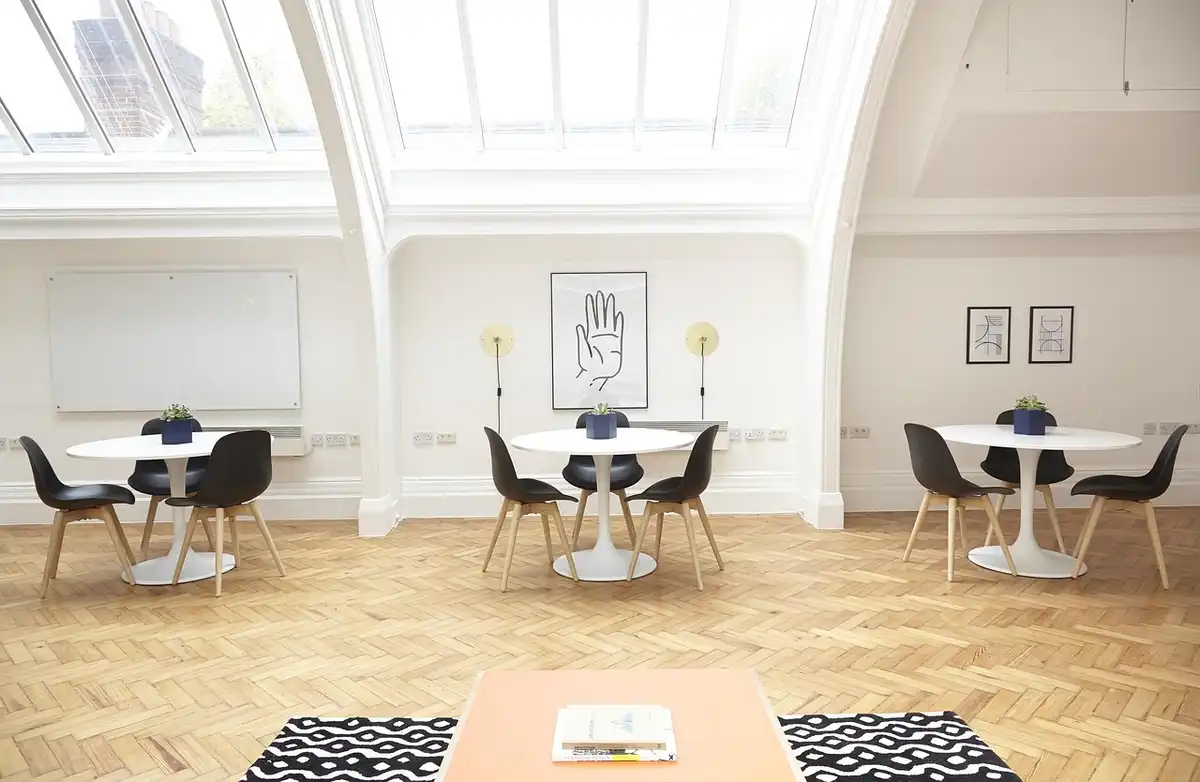
Good daylight design is about contrast, not uniformity. Soft shadows bring texture to walls and depth to materials. Without them, interiors can look flat and sterile. The most effective spaces use layers of brightness — diffuse daylight for general ambience, directional light for focus, and reflected light for warmth. Achieving this requires a mix of architectural planning and control systems that adapt automatically as exterior light changes.
Skylight Blinds and Smarter Shading
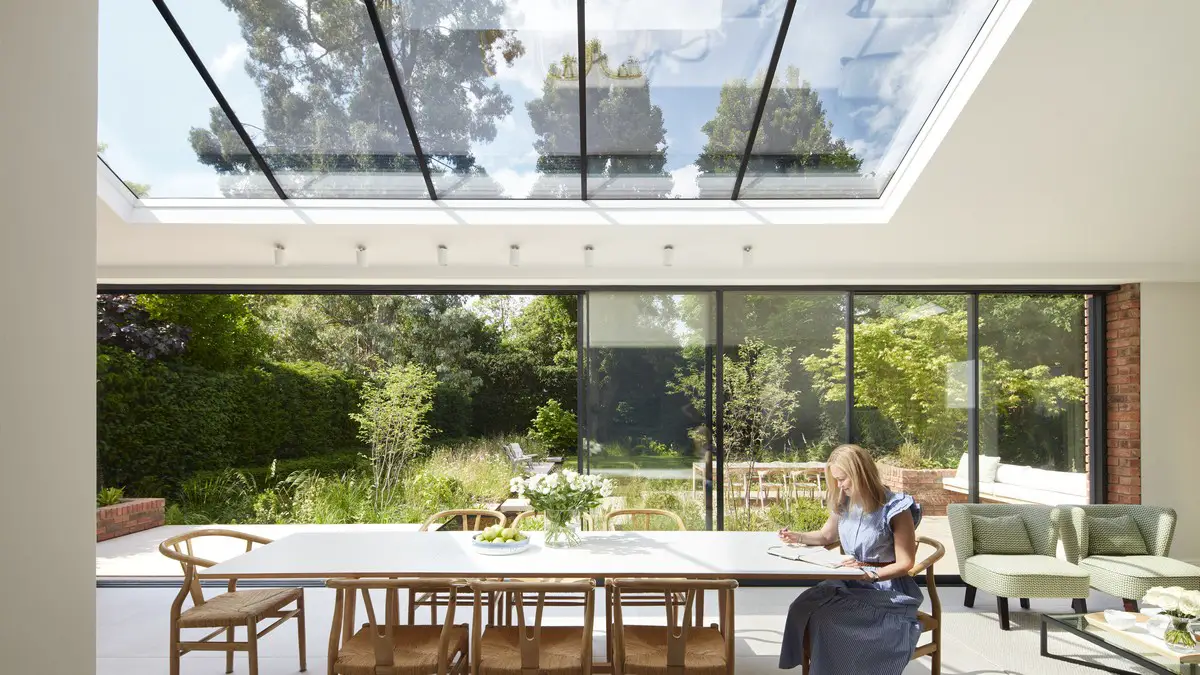
Skylights are one of the most effective ways to bring daylight deeper into a home, especially in extensions, loft conversions or single-storey properties. Yet, without control, they can easily cause overheating or glare. This is where skylight blinds come into play. Modern electric skylight blinds are particularly valuable because they can be controlled remotely or programmed to respond to the time of day or indoor temperature. This means homeowners can enjoy all the benefits of natural light without the discomfort of excessive heat or brightness. For energy-efficient homes, smart skylight blinds work in harmony with sensors to maintain thermal comfort and reduce reliance on cooling systems.
Integrating Daylight with Smart Controls
The boundary between natural and artificial light is now blurred thanks to intelligent control systems. Automated blinds, sensors and tunable LED lighting work together to maintain constant comfort and efficiency. For instance, when daylight levels increase, artificial lights dim automatically, reducing energy use. Likewise, when sunlight becomes too intense, blinds lower gradually to maintain visual comfort without creating darkness.
Designing with Materials that React to Light
Materials play a major role in how interiors handle daylight. Matte surfaces absorb and soften; polished materials reflect and amplify. Light woods, soft limewash paints and pale stone surfaces help distribute daylight evenly across a room, while darker textures can be used intentionally to anchor spaces. The key is balance — too many reflective surfaces can lead to glare, but too few can make a room feel heavy.
Human-Centred Lighting for the Future
Human-centric lighting principles — which align light exposure with our body’s natural circadian rhythm — are now influencing daylighting design as well. Spaces are being planned to provide brighter light during morning hours and softer, warmer tones later in the day. Combined with automated shading, this helps maintain healthy sleep cycles and supports concentration during work hours.
Conclusion: Light as a Living Element
Daylight is no longer a passive feature of design. It’s a living, dynamic element that changes character throughout the day — and now, technology allows us to shape it in real time. The best interiors balance natural light with intelligent control, allowing homes to breathe, adapt and respond just like their occupants. When managed thoughtfully, daylight doesn’t just illuminate a space — it defines its atmosphere, rhythm and wellbeing potential.
Comments on this guide to Daylighting strategies: designing interiors with light, shadow and smart controls article are welcome
Architectural Products
Architectural Glass Products & Systems – Selection
Specifying large conservation rooflights
++
Architecture Design
Contemporary Architecture – architectural selection below:
The New LEGO Group Campus in Billund
Comments / photos for the Designing interiors with light, shadow and smart controls page welcome