
Designing Homes with Energy in Mind: A Practical Guide
8 January 2026
From renovation strategies for older homes to architectural upgrades that extend well beyond aesthetics, energy performance increasingly sits at the intersection of comfort, sustainability and long-term value.
Whether you are specifying materials for an urban townhouse, working through fabric upgrades on a historic renovation, or resolving building envelope strategies for a bespoke new build, energy outcomes now inform both form and function. For architects, this shift is less about chasing trends and more about responding to how buildings are actually used, paid for and regulated over time.
Why Energy Performance Matters to Architects
In contemporary residential architecture, energy should be treated like any other spatial or technical constraint: foundational. Well-considered energy design influences:
- Thermal comfort, reducing reliance on oversized or intrusive mechanical systems
- Operational costs, which increasingly shape client satisfaction and long-term building value
- Compliance, as energy and carbon regulations tighten across residential sectors
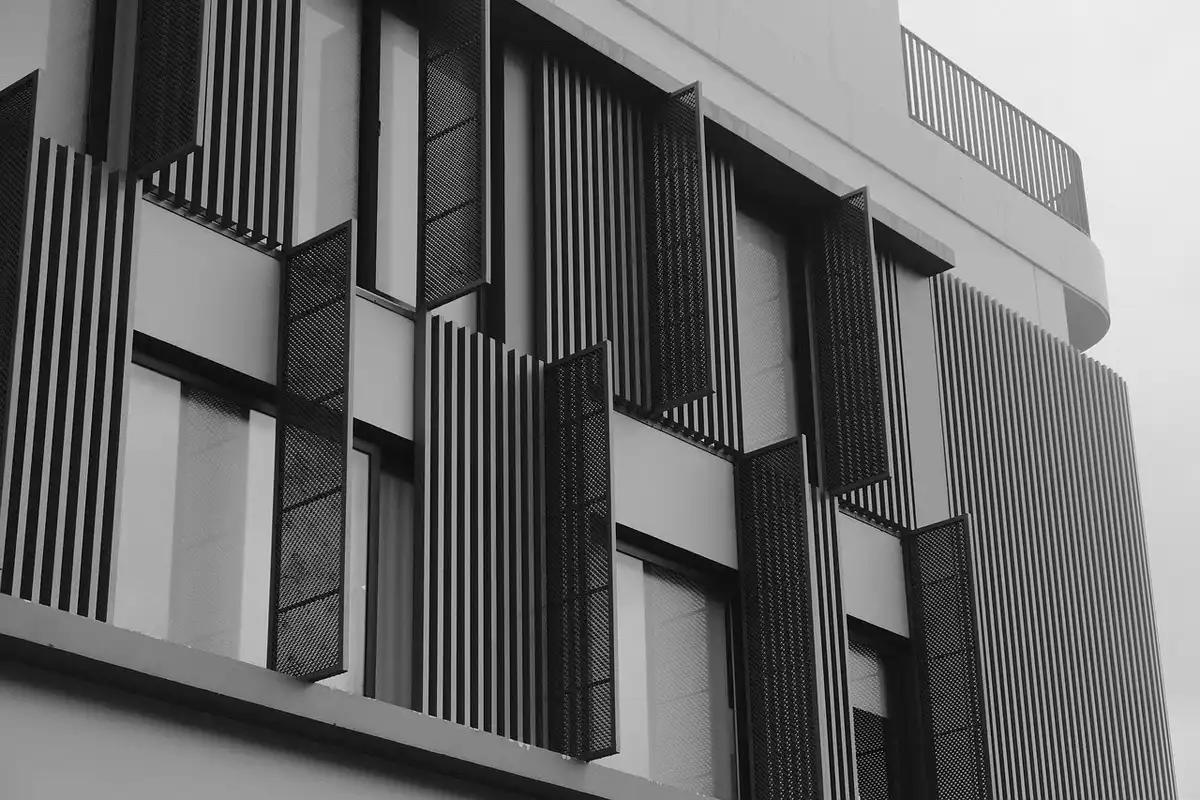
Decisions around insulation levels, glazing ratios, window orientation, shading strategies and HVAC specification all have measurable effects on energy demand. Small improvements, particularly in retrofit contexts, often deliver disproportionate benefits. Upgrading insulation in older homes or sealing gaps around fenestration can significantly reduce heating losses, lowering both energy consumption and peak system loads.
Crucially, these interventions rarely need to compromise architectural intent. When integrated early, energy-led decisions can enhance spatial quality, daylighting and comfort rather than constrain them.
Energy Efficiency as a Design Expectation, Not an Upgrade
Client expectations have also shifted. Energy efficiency is no longer viewed as a technical add-on or a specialist concern; it is increasingly assumed to be part of competent residential design.
Guidance around home improvement and interior refurbishment now routinely places performance alongside visual refinement, reflecting a market that values buildings which are economical to run as well as visually coherent.
For architects, this presents both a responsibility and an opportunity. Energy performance can become a clear differentiator, particularly when articulated in plain terms that connect design decisions to lived experience: fewer draughts, more stable internal temperatures, and predictable running costs.

Embedded Energy Thinking in Architectural Practice
Most architects already account for embodied energy in materials and, where appropriate, whole-life carbon assessments. But operational energy, such as monthly gas and electric usage, often has a more immediate impact on occupants.
Passive design principles such as optimising daylight while controlling solar gain, using thermal mass effectively, and prioritising airtightness and ventilation strategies reflect core architectural priorities rather than technical afterthoughts. A well-designed building envelope reduces dependence on mechanical systems, freeing up budgetary and spatial headroom for other architectural features without sacrificing comfort.
Similarly, selecting efficient mechanical systems paired with intelligent controls allows buildings to respond more gracefully to daily and seasonal variation. The result is not only lower energy demand, but buildings that feel calmer, quieter and more consistent to occupy.
The Overlooked Role of Energy Procurement
Even the most energy-efficient home can underperform financially if post-occupancy energy decisions are poorly informed. Once a project is complete and the keys are handed over, many homeowners struggle to assess whether they are on an energy tariff that reflects how their home actually operates.
This is where architects can play a subtle but valuable advisory role. Without recommending specific suppliers, it is entirely reasonable to encourage clients to periodically review their energy provider and tariff structure. Homes designed to be efficient, electrically driven, or compatible with emerging technologies such as heat pumps or solar PV often benefit from tariffs that reward flexible or off-peak consumption. It’s important to provide clients with basic energy literacy, such as:
- How tariffs work
- When it is sensible to review them
- Where to find impartial comparisons
This helps ensure that design intent translates into real-world savings. For homeowners interested in exploring competitive energy tariffs, including switching incentives, one practical reference point is the Octopus Energy Referral Code, which outlines options available to some new customers when changing energy providers.
A Holistic View of Home Energy
In practice, residential energy performance is shaped by a chain of interdependent decisions:
- Design decisions that reduce energy demand at source
- Construction quality that ensures performance is realised, not just specified
- Systems commissioning and occupant understanding that sustain efficiency over time
- Post-occupancy choices, including energy procurement and tariff optimisation
When one link in this chain is weak, overall performance suffers. When they are aligned, the result is housing that is not only efficient on paper, but genuinely economical and comfortable to live in.
Architects who frame energy as an integral part of their service rather than an optional extra are better placed to respond to regulatory change, client expectations and long-term building value. In a market that increasingly rewards performance alongside appearance, energy-literate design is no longer a niche skill, but a core architectural competence.
Comments on this Designing Homes with Energy in Mind: A Practical Guide article are welcome.
Home Energy & Energy Efficient Building
Home Energy Posts
Teaching your family how to save energy
How to Design an Energy Efficient Building
Can you have a net-zero house?
++
Buildings
Residential Architecture Articles
Comments / photos for the Designing homes with energy in mind page welcome


