
Designing Around How People Actually Live
April 15, 2026

Designing Around How People Actually Live: The Case Against Square Footage
For most of the 20th century, square footage was the primary measure of a successful home. Bigger meant better. More rooms meant more value. The number on the floor plan was the selling point.
The data tells a different story now.
A Shift That Has Been Building for Years
Between 1975 and 2015, the average American home grew by more than 1,000 square feet, from 1,645 to 2,687 square feet, according to the US Census Bureau. Over that same period, average household size shrank by 14%. More space, fewer people. By 2015, the average American was living with nearly double the square footage per person compared to 1975.
Then something changed. The median new home size peaked in 2015 and has declined every year since. By 2025, the average US home had dropped to 1,800 square feet, down 7% from 2016. In 2025, half of all house plans sold were under 2,000 square feet, up from 48% the year before.
Homeowners are not settling for less. They are asking for something different.
The Problem With Building for Square Footage
The US Energy Information Administration found that homes over 3,500 square feet use about 40% more energy than homes between 2,000 and 2,500 square feet. A Zillow survey of 10,000 homeowners found that 25% regretted their home’s layout or finishes, and 11% said their home was simply too big.
The rooms that never get used are a common symptom. The formal dining room that hosts one dinner a year. The oversized entry hall that impresses visitors but serves no daily purpose. The extra bedroom that becomes storage within six months of moving in.
These are not construction failures. The rooms are well built. But the design process started with a floor plan rather than a conversation about how the family actually spends time at home. The result is a home that looks right on paper but does not work in real life.
An Idea That Goes Back Further Than You Think
This is not a new conversation. In 1936, at the height of the Great Depression, Frank Lloyd Wright developed what he called Usonian homes. Built for middle-class American families, these homes had no attics, no basements, no wasted formal rooms, and no unnecessary space. They were designed around how people actually lived, not around what a home was supposed to look like.
Wright’s philosophy, which he called organic architecture, held that a home should respond to its occupants and their site, not to convention or status. He designed around 60 Usonian homes starting with the Jacobs House in Madison, Wisconsin. The idea was simple: every square foot should earn its place.
That idea is more relevant today than it has ever been.
What Designing Around Real Life Actually Means
The 2026 International Builders Show identified right-sizing as one of the most significant shifts in custom home building. Builders are moving away from maximizing square footage toward layouts that support how people live day to day. Flexible spaces, custom storage built into the design from the start, dedicated areas for working from home, and stronger connections between indoor and outdoor living.
PulteGroup’s 2026 Design Trends Forecast put it plainly: “2026 is about intentionality and longevity.” Homeowners are making choices based on how they actually live, not aspirational layouts they will rarely use.
When a builder starts the design process with the right questions, the floor plan follows. It does not lead.
Those questions look like this. Where does the family eat most meals, at a kitchen island or a dining table? How does the morning routine flow between bedrooms and bathrooms? Does anyone work from home, and if so, where does focused work actually happen? How often do you cook for guests versus family? Do the children need to be visible from the kitchen while they play?
The answers drive decisions about layout, ceiling height, window placement, storage, and how spaces connect to each other. A kitchen designed around how a family actually cooks looks different from a kitchen designed around how kitchens look in magazines.
This is the difference between a home that photographs well and a home that works well. The best custom homes do both.
The Builder’s Role in This Process
This approach requires more from a builder than construction expertise alone. It requires genuine involvement in design thinking before a single plan is drawn.
Builders who work this way tend to ask more questions upfront and spend more time in early planning. They want to understand how a client lives before talking about how the home will be built. That investment at the beginning is what prevents expensive decisions later.
Founded by Jeremy Spillman, custom home builders in Columbia, MO that structures their entire process around this philosophy. Before plans, budgets, or timelines come into the conversation, the focus is on understanding how the client wants to live in the home. That foundation shapes every decision that follows, from room placement to how natural light moves through the space at different times of day.
What This Looks Like in Practice
A home office positioned away from the main living area because the client does focused work during hours when the house is active. A mudroom placed directly off the garage entrance because the family comes in that way every single day, not through the front door. An outdoor living space connected to the kitchen rather than isolated at the back of the lot because that is how the family actually uses outdoor space.
None of these decisions are complicated. But they all require a builder who asked the right questions before picking up a pencil.
Houzz research found that 62% of homeowners plan to stay in their homes for 11 or more years. That makes the quality of daily experience more important than the impression a home makes on day one. A home designed around real routines will serve its owners better at year ten than a home designed around a number. It is the philosophy that drives every project at Spillman Homes, and it is the reason the homes they build in Columbia, MO keep standing out long after construction is done.
The Right Starting Point
The most successful custom homes are rarely the biggest ones on the street. They are the ones where the design process started with the right questions and every decision that followed was tied back to the answer.
Square footage is a measurement. A well-designed home is an experience. The builders who understand the difference are the ones worth building with.
Author
Jeremy Spillman
Jeremy Spillman is the founder of Spillman Homes, a custom home building and remodeling firm in Columbia, MO known for its focus on craftsmanship, thoughtful planning, and guiding clients through a clear, well-structured building process.
Comments on this guide to Designing around how people actually live, custom home builders in Columbia, MO article are welcome.
Building Facades
Property Posts
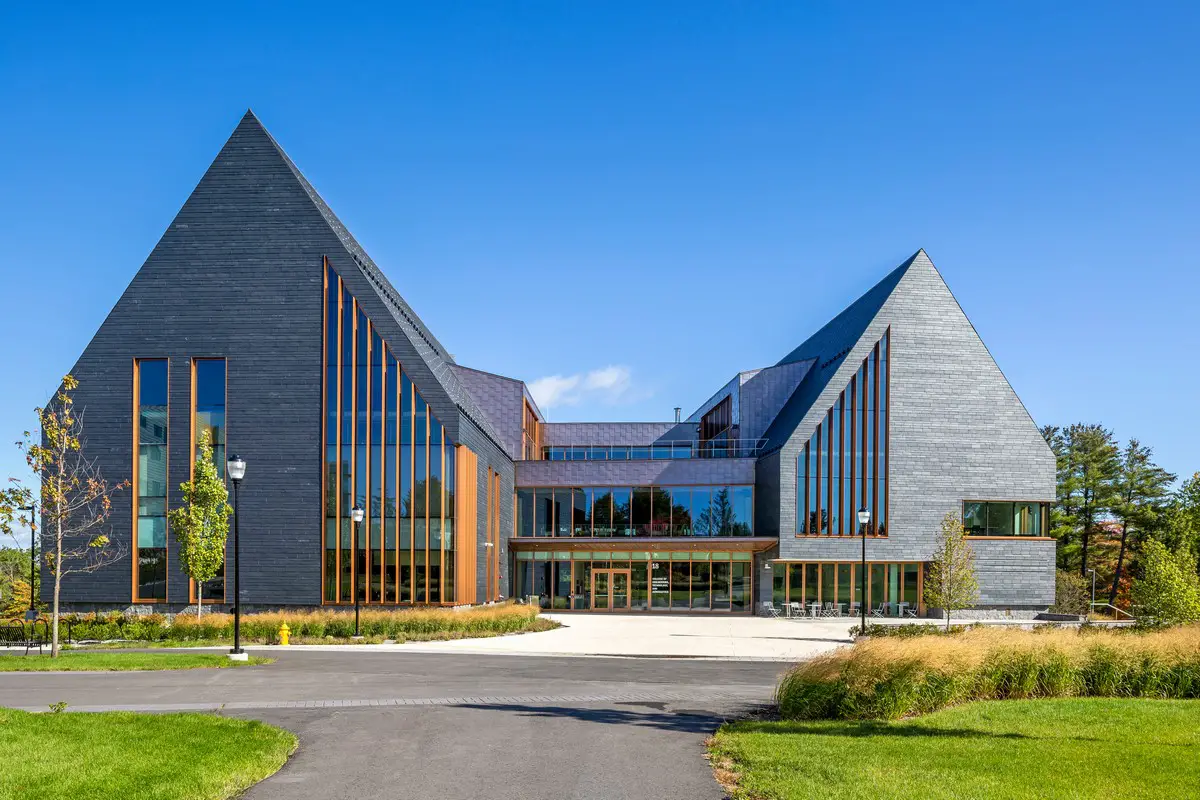
photo : J. Michael Worthington
Multigenerational living spaces innovative design
Small bathroom renovation tips
AI bidding software helps contractors
++
Architecture Design
Architecture
Comments / photos for the Designing around how people actually live, custom home builders in Columbia, Missouri, advice page welcome


