Creating Environments that Support Better Sleep with Lighting and Aroma
16 February 2026
Sleep is an environmental problem that shows up as a personal one. When your room runs hot, bright, and noisy, your nervous system stays on standby—even if your calendar says you “should” be tired.
The most effective upgrades aren’t flashy routines—they’re small pieces of home tech and smart setup choices that remove friction. Your goal is to make “bedtime mode” the default state of the room: warm light, cooler air at the bed, fewer sound spikes, cleaner breathing, and a gentle sensory cue that says you’re off duty.
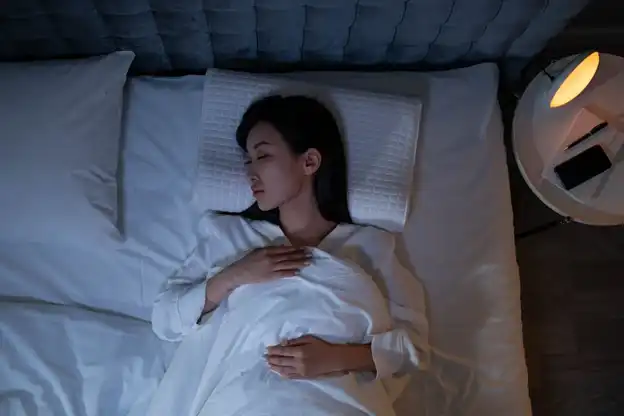
Build A Nighttime Light Stack
Light is the strongest signal your brain uses to decide whether it’s still daytime. Cool, bright bulbs at night quietly push your sleepiness later, even when you feel exhausted. Your best move is not perfect darkness, but a clear lighting shift that happens the same way every evening.
Swap Overhead Brightness For Side Lighting
Ceiling lights hit your eyes like a meeting invite. Put one warm lamp where you unwind and treat it as your “after-dinner” default. Keep it low and angled so the light bounces off a wall instead of shining straight at you. If you need task lighting, isolate it—one small reading light beats a whole room flood.
Remove The Tiny Glows That Keep Your Brain Alert
Bedroom lighting for sleep fails most often because of micro-glare: LEDs, chargers, routers, and screens that face the bed. Tape over bright indicators or turn devices away so the room stops flickering like a cockpit. If streetlight leaks through curtains, add a blackout liner or use a sleep mask that doesn’t press your eyes.
Automate The Fade Without Turning It Into A Hobby
Smart lighting has matured into boring reliability—exactly what you want. Use one scene that dims brightness and warms color temperature at a fixed hour, then stop tinkering. If you don’t want new bulbs, a timer plug that clicks your lamp on at night still creates a consistent cue.
Use Scent And Texture As A Safety Cue
Smell and touch can either reassure your nervous system or keep it scanning for novelty. Strong scent is a common mistake—more intensity often means more irritation. Use aroma and texture as subtle, repeatable cues that bedtime is safe and familiar.
Keep Aroma Subtle And Familiar
Aroma for sleep works best when you barely notice it. If you prefer a more tailored approach, systems that use biometrics, like Kimba scent therapy for sleep, can time short scent ‘pulses’ to moments when your nervous system is most receptive rather than running fragrance all night.
Choose one mild scent and keep it consistent rather than rotating options like a playlist. A diffuser on a short timer is better than a scent that runs all night, even if you’re sensitive.
Let Bedding Feel Boring In A Good Way
If your sheets cling, itch, or trap sweat, your body keeps adjusting all night. Aim for clean, breathable fabric that feels neutral on your skin and stays comfortable as your temperature shifts. If you want weight, balance it with breathability so pressure doesn’t turn into heat.
Declutter The View From The Pillow
Clear your nightstand so you’re not staring at cables, packaging, and blinking gadgets. Keep one calm object within reach—water, a book, a lamp—and push everything else out of sight. You’re reducing cues that keep your brain in “monitoring mode” instead of “shutdown mode.”
Treat Temperature As A Sleep Lever
Your body has to cool down slightly to stay asleep, and modern homes often fight that biology. Hot rooms and heat-trapping bedding create micro-wakeups that you may not remember, but you’ll feel them the next day. The fastest improvement usually comes from cooling the bed, not the entire house.
Cool The Bed Before You Cool The House
If you share a space or your AC is weak, bed-level control is the shortcut. Cooling pads and temperature-regulating mattress covers have become more common because they target the exact surface your body is heating up. Even without new tech, run a fan to move air across the bed area rather than blasting your face.
Choose Textiles That Dump Heat
Start with breathable sheets like cotton percale or linen and avoid piling on foam toppers that trap warmth. If you like a plush feel, look for materials marketed as cooling—but trust your skin more than the label. A cool bedroom temperature for sleeping is easier to maintain when your fabric isn’t working against you.
Clean Air Matters, But Quiet Matters Too
If you use an air purifier, run it on low so it improves air quality without adding stress. Humidifiers can help in dry rooms, but only if they’re cleaned regularly and kept moderate setting. A simple pre-bed reset works well: air out the room for a few minutes, then let it settle into a cooler, calmer state.
Engineer Sound For Predictability
A door slam, a scooter outside, a neighbor’s footsteps—those spikes trigger a quick threat-check in your brain. The goal is to reduce sharp peaks and create a steady background that keeps your sleep depth from bouncing around. A quiet bedroom setup is usually built with practical barriers and consistent masking.
Seal The Weak Points
A door sweep, draft stopper, and thicker curtains can reduce hallway and street sound more than you’d expect. If your bed shares a wall with the loudest room, shifting it a few inches can change how vibrations travel. Add soft density—rugs, fabric chairs, even a bookshelf—to absorb reflection and dull the echo.
Use Sound Masking Like A Firewall
A fan or a simple noise machine can flatten the contrast between “quiet” and “sudden loud,” which protects sleep. Keep the sound low and steady, and avoid tracks with built-in spikes like crashing waves or chirping birds. If you can’t predict the noise outside your door, make the sound inside your room predictable.
Choose Ear Tech That You Forget You’re Wearing
Sleep earbuds and low-profile earplugs can be lifesavers in shared housing, but comfort beats features every time. If you side-sleep, prioritize shape and pressure points over specs. Keep volume modest so you still wake to an alarm, and so your jaw stays relaxed. If earbuds make you tense, switch to room-level masking and let your body unclench.
Use Sleep Tech As Infrastructure, Not Judgment
Sleep tech has finally started doing the right job: changing the room instead of grading you. Sensors can be useful, but your biggest gains usually come from temperature, light control, and noise management. The trap is turning sleep into a nightly performance review.
Track Trends, Not Stages
If you measure anything, pick one outcome you can act on: consistent wake time, fewer wakeups, or steadier time in bed. Wearables and under-mattress sensors are decent at trends, but they’re not definitive at labeling sleep stages night to night.
Look at two weeks of data, not one “bad” night after stress or a late meal. When tracking makes you anxious, it becomes another reason you can’t fall asleep.
Build A One-Tap Sleep Scene
Create a single “sleep scene” that dims lights, cools the bed zone, starts sound masking, and runs scent briefly if you use it. Trigger it once—tap, voice, or button—then don’t negotiate with it. This matters most on chaotic days when your brain is tired and suggestible. One action beats a dozen tiny decisions.
Watch The Business Model Behind The Device
More sleep products now ship with apps, accounts, and optional subscriptions. That’s not automatically bad, but you shouldn’t have to pay monthly to keep basic features working. Be selective about what you buy, what you connect, and what data you share.
The smartest purchase is often the simplest: a warm lamp, blackout curtains, and a cooler bed can outperform any dashboard you check at 2 a.m.
Conclusion
Better sleep usually shows up when your room stops arguing with your biology. Warm, dim light—a cooler bed surface—predictable sound—cleaner air—and a subtle sensory cue work together like an off switch for your nervous system.
Start with the biggest disruptor in your space—most often light, heat, or noise—and fix that first. Keep the change stable for two weeks, then evaluate whether you need another upgrade. The most modern move isn’t collecting more gadgets—it’s building a bedroom that runs quietly in the background so your mind can finally clock out.
Comments on this guide to From Lighting to Aroma: Creating Environments That Support Better Sleep article are welcom
Property
Building Designs – recent selection:
Coca-Cola Arena Dubai
Architects: Populous

photo courtesy of architects studio
The Opus Hotel in Dubai
Design: Zaha Hadid Architects
+++
Architectural Designs
New Architectural Designs – selection:
Reasons to purchase an apartment in Dubai Festival City
Resolve Real Estate Disputes in Dubai
Comments / photos for the From Lighting to Aroma: Creating Environments That Support Better Sleep page welcome.