
Create a Comfortable Living Space That Works for You
27 March 2026
The concept of home should represent a sanctuary where you can truly unwind. It is a place that reflects your personality and supports your daily routines. Creating this environment requires a balance between aesthetic choices and functional upgrades.
Many people start their journey by focusing on the interior layout. A well-organized room can reduce stress and make daily tasks feel much easier. It is helpful to look at how each space is used before making big changes.

Designing for Daily Life
Your living room is often the heart of the home where everyone gathers. It needs to be versatile enough for movie nights and quiet reading sessions. Choosing furniture with soft edges can make the room feel more inviting. One study found that people like curved shapes more than sharp ones. This preference suggests that rounded sofas or circular coffee tables might help you feel more relaxed.
Lighting plays a huge role in how a room feels throughout the day. Natural light is great for staying productive during morning hours. You might add floor lamps with warm bulbs for a cozy evening atmosphere.
Smart Technology and Modern Needs
Integrating tech into your home can simplify many of your chores. Automated systems allow you to control temperature and lighting from your phone. Most buyers today see these features as a major advantage. In fact, 78% of homebuyers would be willing to pay more for a smart home.
Adding these systems does not have to be complicated or expensive. You can start with a few smart plugs or a programmable thermostat. These small steps help create a more responsive living environment. Working with a professional home exterior improvement company can also ensure your property is protected from the elements while you upgrade the inside. High-quality roofing and siding keep your smart tech safe from leaks or drafts.
Balancing Style and Comfort
Color choices often dictate the mood of a specific room. Neutral tones provide a calm backdrop that allows your decor to stand out. You can use bold accents like pillows or rugs to add a splash of personality. This approach makes it easy to update the look of your home without repainting every year.
Texture is another way to make a space feel more grounded. Mixing materials like wood, metal, and soft fabrics creates visual interest. It prevents a room from looking too flat or clinical.
Enhancing Your Personal Sanctuary
Personal items like photos and travel mementos make a house feel like a home. These pieces tell a story about who you are and where you have been. Displaying them in a curated way prevents the space from feeling cluttered.
- Use open shelving for books and decor.
- Hang art at eye level to create a focal point.
- Include indoor plants to bring a bit of nature inside.
- Choose storage bins that match your furniture style.
Adding greenery can also improve the air quality in your living areas. Plants like snake plants or pothos are very easy to maintain. They add a fresh feel to any corner of the room.
Upgrading Functional Spaces
The kitchen is another area where small changes make a big impact. Updating cabinet hardware or installing a new faucet can refresh the entire look. It is often the first place people look when evaluating a home’s value.
Smart appliances are becoming a standard part of modern kitchen design. They help track groceries or preheat the oven while you are still at work. Trends show that 7 in 10 homebuyers are actively looking for a smart home. Having these tools ready can make your cooking experience much more efficient.
Privacy and Quiet Zones
Finding a spot for peace and quiet is necessary in a busy household. This might be a small corner in a bedroom or a dedicated home office. Using area rugs can help dampen sound in these zones. It creates a physical boundary that signals it is time to focus or rest.
Comfortable seating is a must for any relaxation area. An ergonomic chair or a plush armchair can make a world of difference. You want a spot where you can sit for an hour without feeling any strain.
Creating Flow Between Rooms
The way you move through your home should feel natural. Avoid blocking walkways with large pieces of furniture. Keeping paths clear makes the entire floor plan feel more open.
- Align furniture to create clear walking paths.
- Use mirrors to bounce light into darker hallways.
- Keep frequently used items within easy reach.
- Match flooring types to create a seamless transition.
Consistent flooring can make a small home feel much larger. It draws the eye from one room to the next without interruption. This simple design trick works well in almost any layout.

Small adjustments often lead to the biggest improvements in comfort. You might find that simply rearranging your bedroom makes you sleep better. Trust your instincts when it comes to your own living environment. Your home should always be a place where you feel completely at ease.
Comments on this guide to How to Create a Comfortable Living Space That Works for You article are welcome.
Furniture
Furniture Posts
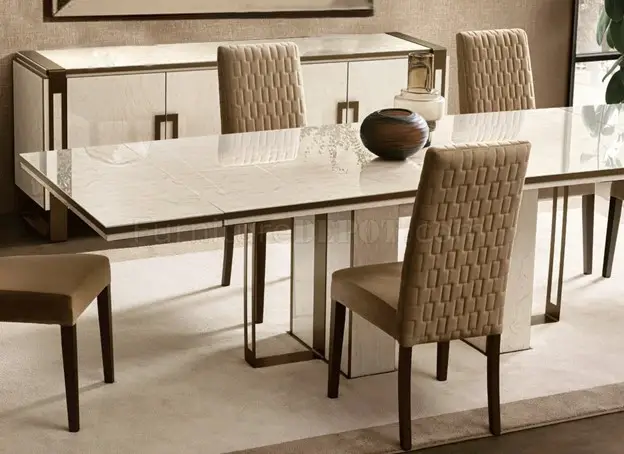
Choosing the Ideal Upholstery for your Furniture
From ordinary to extraordinary: custom furniture
++
Property
Architecture
Comments / photos for the How to Create a Comfortable Living Space That Works for You page welcome.
