
Construction Tech for Long Term Resilience
e-architect.com
January 22, 2026
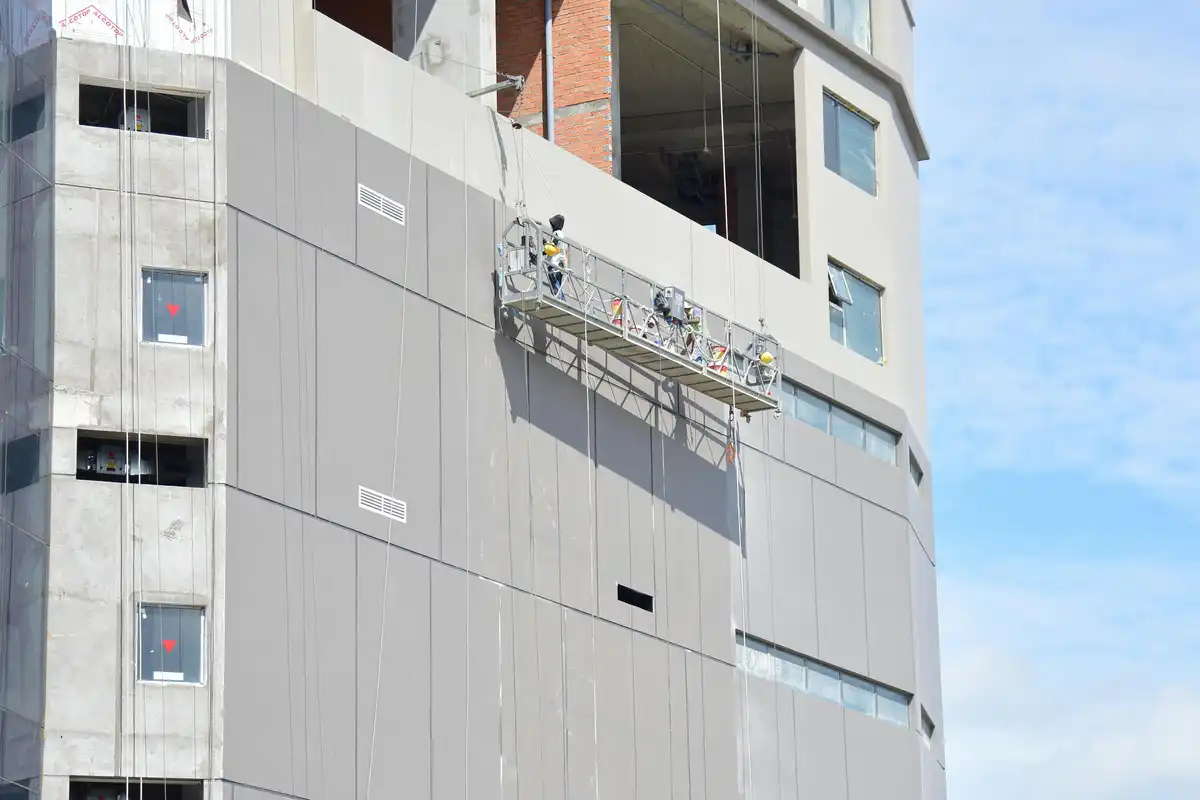
Today’s New Tech Is Rewriting Construction Practices For Long Term Resilience
Construction tends to move with steady confidence rather than sudden leaps, yet the past few years have brought a wave of tools that help teams tighten schedules, reduce rework, and protect long term project value. It is reshaping the jobsite in ways that feel practical instead of flashy. The real surprise is how quickly contractors who once preferred pencil and paper are now leaning into tech because it solves daily pain points they have carried for decades. This shift is less about chasing novelty and more about removing friction so teams can focus on what they do best, which is building structures that last.
Reliable work is the backbone of every project, but reliability looks different today than it did even five years ago. Field teams want fewer delays. Project managers want fewer calls that start with a problem and end with a scramble. Owners want transparency without micromanaging. The industry is finally hitting a moment where technology supports those goals without getting in the way. The expectations around speed, safety, and accountability are higher now, and the tools that make these improvements possible have become more accessible. Construction firms that used to view digital adoption as a nuisance are now seeing how it frees up energy and time during tight schedules. None of this replaces experience. It gives experience more room to work.
The Shift Toward Integrated Jobsite Oversight
One of the clearest changes has been the rise of integrated oversight tools that help teams avoid headaches before they ever appear. This is especially helpful for civil contractors who manage sprawling sites with multiple subcontractors and evolving conditions. Instead of chasing updates from half a dozen people, managers get a continuous flow of information that helps them make decisions faster.
When weather delays happen or materials arrive early, everyone adjusts without slowing the whole operation. These platforms are not about replacing human judgment. They are about clearing the static so expertise can move in a straight line. It is the difference between running a project with guesswork and running it with clarity. Over time, those incremental moments of clarity add up to major savings.
Digital Tools Reshaping Field Coordination
Field coordination has always depended on communication, and communication has always depended on timing. If someone misses a call, the entire crew can lose half a day. If a report arrives late, teams overcorrect or wait too long to act. Tools built for real time updates fix this gap, and many crews now rely on streamlined mobile platforms to keep jobs moving. A foreman can upload notes, photos, or punch list items without pausing the workflow, and the back office sees it instantly.
This is where terms like a field technician app become less tech jargon and more of a daily necessity. When everyone knows what is happening at the same moment, productivity stops swinging up and down. It levels out and becomes dependable. That predictability supports better planning, safer worksites, and far fewer surprises.
Some firms pair these tools with broader field service management systems that create continuity between crews, managers, and clients. This approach closes long standing gaps that used to cause slowdowns, from missing signatures to unclear next steps. When tasks move in a seamless chain, projects maintain steady momentum instead of stalling out in small pockets of confusion. It also helps new hires come up to speed faster, since they have a clear record of responsibilities and expectations. Experienced workers benefit too, because they spend less time hunting down details and more time tackling the work itself.
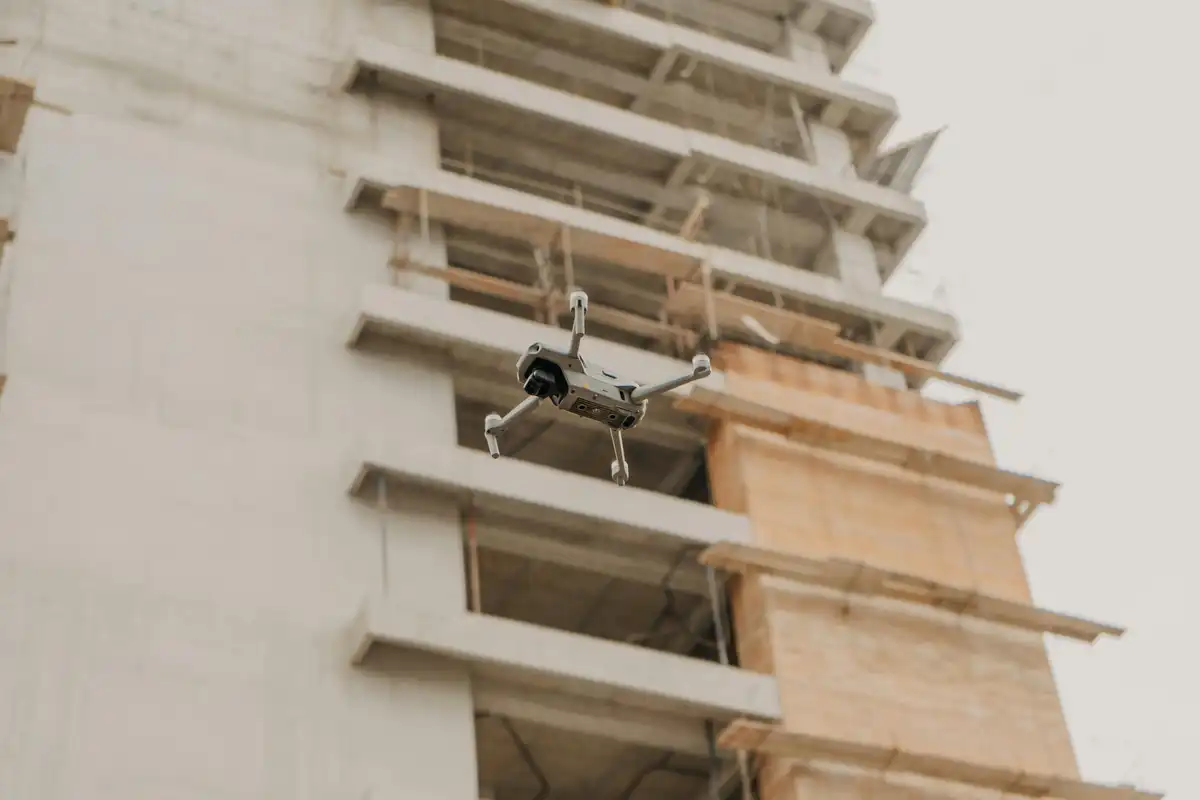
Material Intelligence And Smarter Logistics
Material delays have always been one of the biggest stress points in construction. Even the most experienced teams struggle when a shipment arrives incomplete or when global supply issues ripple through the market. The industry is turning toward smarter inventory tracking and forecasting tools that lower the risk of these disruptions. Contractors gain a deeper understanding of usage patterns and can adjust orders before shortages hit the jobsite.
It is not glamorous tech. It is pragmatic tech that keeps the day to day operation running without sudden stops. When materials stay in sync with the schedule, crews keep momentum and managers breathe easier. This builds trust across everyone invested in the outcome, from manufacturers to installers to owners.
Workforce Support That Strengthens Retention
As the labor market tightens, retaining skilled workers has become just as important as securing reliable materials. Many firms are using technology to simplify the burdens that used to cause burnout. Digital training modules help workers refresh certifications without losing a full day on the road. Communication tools let crews log concerns before they grow into safety issues. Time tracking and scheduling systems prevent misunderstandings and reduce administrative strain.
These might sound like small improvements, but they create an environment where crews feel supported rather than overwhelmed. A well supported workforce delivers better craftsmanship, and better craftsmanship protects the long term value of every project. The industry has always depended on its people. Giving them better tools is a straightforward way to show respect for their skill and effort.
Data That Strengthens Decision Making
With more data flowing naturally through project pipelines, teams can study patterns that once stayed hidden. Managers understand where delays tend to form and can adjust planning long before a problem becomes expensive. Owners gain better insight into progress without requiring constant check-ins. The benefit here is control without chaos. Instead of relying on instinct alone, leaders blend instinct with information that backs up their decisions. The result is a steadier operation that handles complex demands with less stress. Construction will always hold variables no one can predict, but the right data makes those variables easier to handle when they appear.

Wrapping Up
Technology will not wipe out the unpredictability that makes construction interesting, but it will continue smoothing the edges where inefficiency used to thrive. The most successful firms are the ones treating tech as a partner rather than an identity, letting digital tools handle the clutter while human judgment guides the direction.
The outcomes speak for themselves through fewer delays, tighter coordination, and stronger confidence across each stage of a project. What once felt optional is becoming essential because it preserves energy, protects budgets, and supports the workforce that keeps the industry moving.
Comments on this guide to construction tech for long term resilience – architectural design technology revolution article are welcome.
Construction Design
Modern Construction Design
Subterranean garage construction
Modular Building and Prefabricated Construction
Role of Technology in Revolutionizing Architectural Design
++
Building Articles
Building Articles – Selection
Comments / photos for the construction tech for long term resilience page welcome


