Commercial Security by Design: Rethinking Building Entryways
post updated 20 October 2026
20 October 2025
Commercial buildings are no longer just about architecture or style. Security has become an essential part of their design, especially at the entryway. Every business owner now understands that the front door is more than a passage—it is the first line of defense. As technology continues to grow, access control systems and smart cameras have started to redefine how people enter and move through buildings.

A secure, well-designed entryway keeps both people and property safe while maintaining a sense of openness and comfort. When combined with video monitoring, motion detection, and intrusion detection, it offers peace of mind that the environment is both welcoming and well-protected.
Why Entryway Design Matters
Every person entering a building interacts with its entryway first. That moment sets the tone for what lies inside. A poorly designed entrance can create confusion or long waits, while a secure yet welcoming one can improve efficiency and safety.
Modern commercial buildings use technology to make this process smoother. Instead of relying solely on guards or manual locks, many companies use security monitoring tools that automatically control access and record entry data. The goal is to create an entry point that feels seamless for authorized users while staying alert to potential security threats.
If your business is looking to improve protection without making access complicated, smart door locks for business can be an excellent starting point. These devices combine convenience with advanced protection, giving you better control over who enters your space while reducing manual oversight.
Moving From Keys to Smart Access
Keys once symbolized trust and control. Losing one, however, could mean replacing locks and reissuing keys to dozens of people. To avoid that problem, more businesses are turning to smart solutions like the access control system developed by Coram, a leading AI-powered security and video surveillance company. Coram’s technology provides businesses with flexible, data-driven protection that adapts to evolving security needs.
These systems use mobile apps, digital passes, or biometric identification instead of physical keys. A simple tap on a phone or a quick fingerprint scan can unlock the door. It is faster, safer, and easier to manage. If someone loses access, administrators can revoke permissions instantly without changing hardware.
For example, a corporate office might give employees access through a secure app. When someone leaves the company, their access simply expires. This prevents unauthorized entry and keeps the building secure without extra hassle. A modern security plan should include this kind of flexible access management.
Creating a Smooth User Experience
Security technology should not make entry complicated. People should feel safe, not restricted. The best systems blend protection with convenience.
Many office buildings now use automated turnstiles that scan ID cards or faces for instant approval. Others include motion detection sensors that open doors automatically for approved users. Visitors can check in digitally before they arrive, which speeds up the process when they reach the door.
These improvements save time while creating a positive experience. When entry is smooth, employees start their day with less stress, and visitors feel more welcome. At the same time, monitoring services work quietly in the background to ensure ongoing protection.
Connecting Systems for Stronger Security
Technology works best when systems communicate effectively. Instead of treating video monitoring, alarms, and entry tools as separate features, many businesses connect them through a single platform.
When these systems work together, they can detect and respond to security challenges faster. For example, if a smart camera spots unusual movement near the door, the intrusion alarms can automatically activate while the system locks nearby entrances and alerts the emergency response team. This kind of coordination strengthens protection and reduces the chance of human error.
Centralized security monitoring also makes management easier. Teams can view all entry data in real time, track patterns, and respond immediately if something unusual happens. This connected approach is a key part of effective risk management.
Protecting Both People and Data
Smart entry systems do more than control doors. They collect and store valuable data. Each scan, swipe, or recognition event produces information that needs protection. If this data is not handled properly, it could become a security threat on its own.

Companies must store and manage access data safely. Encryption and secure servers help keep information private. Software should also be updated regularly to prevent cyber risks. For biometric systems, such as facial or fingerprint recognition, strict privacy policies are especially important. A well-designed security plan should protect both physical and digital spaces equally.
Balancing Safety With Accessibility
A well-designed entryway should serve everyone. Security systems should not make it harder for people with disabilities or mobility challenges to enter. Features like touchless doors, adjustable scanners, and accessible keypads help create inclusive environments.
Balancing accessibility with safety also improves workflow. Employees can move freely without unnecessary barriers, and visitors experience clear and efficient entry procedures. In busy environments, small design choices such as wide passageways or clearly marked zones make a big difference in reducing security challenges and maintaining a smooth flow.
Conclusion
Modern entryway security goes beyond locked doors. By combining access control systems, smart cameras, intrusion detection, and video monitoring within a connected security plan, businesses can protect both people and property while ensuring convenience and accessibility. A well-integrated system supports quick emergency response, reduces security threats, and offers peace of mind to every business owner who values safety and efficiency.
Comments on this Commercial Security by Design: Rethinking Building Entryways article are welcome.
Solar Panels Articles
Solar Panels Posts
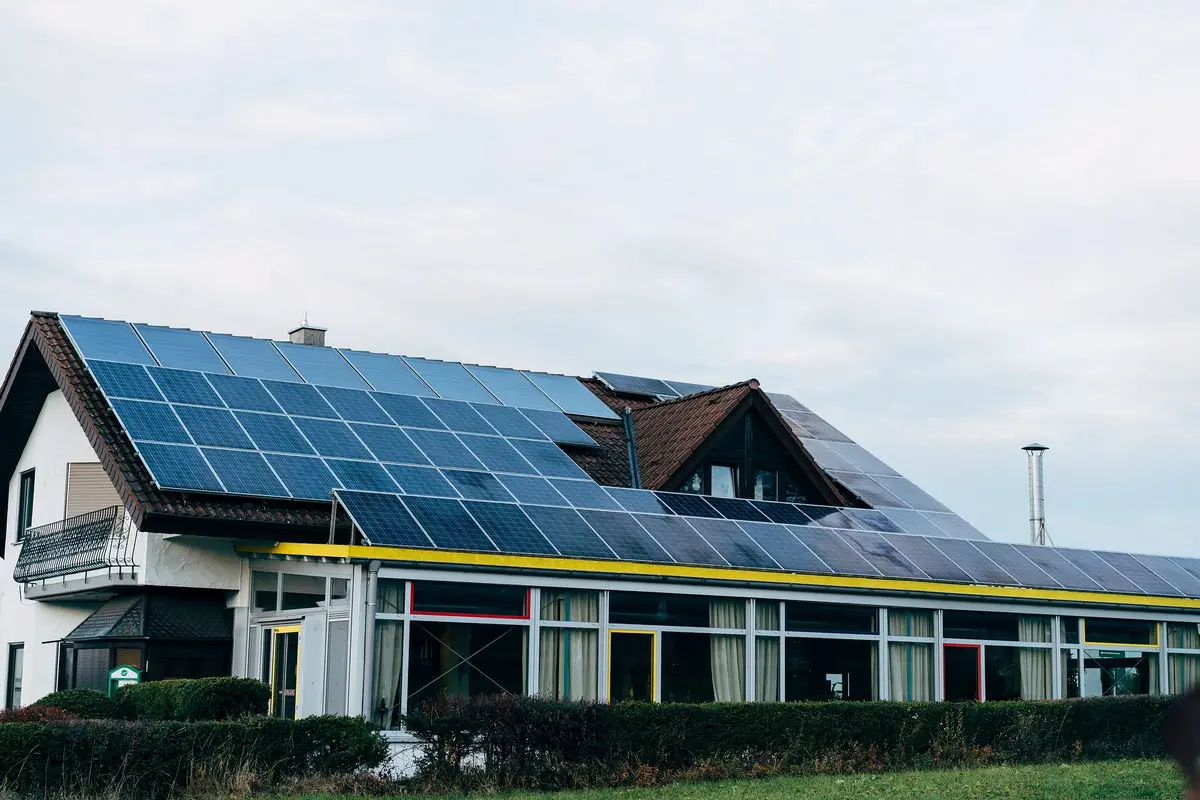
How architects implement solar panels in design
DIY Solar System: how to install solar panels
++
Building
Architecture Articles
Comments / photos for the Commercial Security by Design: Rethinking Building Entryways page welcome