
The Best Energy-Saving Upgrades for Older Homes
12 December 2025
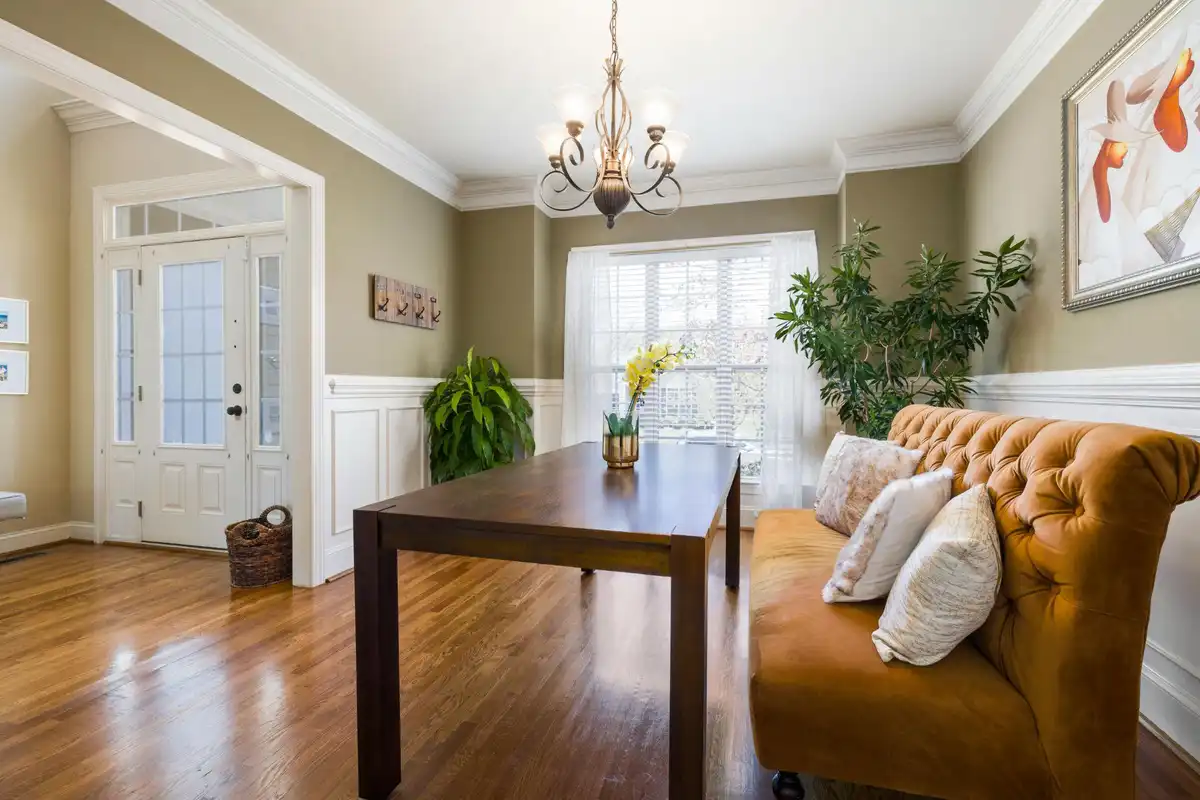
If you live in an older home, you probably love its charm and character. Older homes feel warm and inviting, but they can also use a lot more energy than newer homes. Many homeowners want to make their homes more efficient without doing major remodeling. The good news is that you can make simple upgrades that cut energy use and lower monthly bills. You do not need complicated tools or a long list of projects. A few smart improvements can make your home more comfortable and easier to cool or heat.
This guide walks you through the best upgrades that can help older homes run better all year.
Improve Your Cooling System for Better Efficiency
Cooling uses a large amount of energy in older homes, especially during long warm seasons. Many older AC systems work harder than they should because their parts wear out over time. This makes it tough for the system to keep rooms at a steady temperature, and it causes energy costs to rise.
Homeowners start to see small changes when an AC system struggles. Rooms feel warmer. The unit runs longer. Energy bills climb faster than expected. This is when you should replace your AC. It is better to act early before the system breaks down during peak heat.
Regular care helps the system run better. Clean the coils, change the filters, and check the ductwork for blockages. A smart thermostat also helps reduce cooling costs by adjusting temperatures when you are away. Sealing small gaps around vents can also improve airflow.
If your AC is ten to fifteen years old, an upgrade may give you big savings. Newer systems cool more evenly and use far less energy. Even if you delay a full replacement, basic improvements will help your current system work smoother and last longer.
Upgrade Old Insulation and Reduce Unwanted Heat Transfer
Older homes tend to lose heating and cooling through walls, ceilings, and attics. Poor insulation makes this problem worse. When a home lets heat escape, your cooling and heating systems need to work longer to keep temperatures stable. This uses more power and raises costs.
The attic is usually the best place to start when improving insulation. Many older homes have thin insulation or none at all. Adding new insulation in the attic helps hold in cool air during hot months and warm air during cooler months. Fiberglass batts or blown-in insulation are simple options that many homeowners can install with help from a professional. This upgrade often pays off fast because it reduces how often your HVAC system needs to run.
Walls also benefit from improved insulation, although wall work may take more planning if access is tight. Even small insulation improvements can help your home feel more comfortable. Once you upgrade insulation, you will also notice that your home stays at a steady temperature for longer periods.
Replace Old Windows With Energy-Efficient Options
Windows in older homes often lose the most energy. Many houses from past decades have single-pane windows that feel cold in winter and warm in summer. These older windows let heat pass through more easily, which forces your cooling or heating system to run longer.
Switching to double-pane or energy-efficient windows can solve this problem. These windows have better insulation and block heat transfer. They help keep your home cooler in summer and warmer in winter. This upgrade also cuts outdoor noise and reduces condensation around window frames.
If new windows are not in your budget, there are simpler options. Window film helps block heat from the sun. Heavy curtains add another layer of insulation and help reduce heat loss. These smaller steps offer some relief until you are ready for a full window upgrade.
Install a Smart Thermostat
A smart thermostat is one of the easiest upgrades you can make. These devices help control your energy use more efficiently. You can program temperatures based on your schedule or adjust the settings from your phone or tablet. Smart thermostats learn your habits over time and adjust the temperature for you.
Many older homes run heating or cooling at the same level all day. Smart thermostats help reduce energy waste by lowering or raising the temperature when you are not home. You stay comfortable without spending extra money. These devices also give helpful reports that show how much energy you use each month. This makes it easier to track improvements and find ways to save even more.
Make sure the thermostat you choose works with your HVAC system. Most brands offer easy setup and clear guidance for older homes.
Upgrade to LED Lighting
Older homes often still use traditional bulbs that burn out quickly and waste power. LED bulbs last much longer and use far less energy. They also come in different brightness levels and color tones. This makes it easy to match the look of your home.
Switching to LED lighting is one of the fastest ways to cut energy costs. You can replace bulbs one room at a time or update the whole home at once. LED lights stay cool to the touch and work well in lamps, ceiling fixtures, and outdoor lights. This upgrade gives instant savings and needs almost no upkeep.
Add Ceiling Fans to Reduce Cooling Costs
Ceiling fans help move air around the room. This helps your home feel cooler without lowering the thermostat too much. A simple fan can help make a big room feel comfortable even on warm days. Many homeowners raise the thermostat a couple of degrees once they start using ceiling fans.
Fans work well in bedrooms, living rooms, kitchens, and other spots where people spend the most time. They use very little energy and often cost less than running the AC nonstop. Adding fans is an easy weekend project that improves comfort right away.
Older homes have a lot of charm, and improving their energy use does not need to feel stressful. Small upgrades can make your home feel more comfortable and cut down on wasted energy. You can start with simple steps like LED lighting or a smart thermostat. Bigger improvements like insulation or new windows bring long-lasting results.
Every upgrade helps you build a more efficient home that feels good year-round. If you choose one project at a time, you can make steady progress without feeling overwhelmed.
Comments on this The Best Energy-Saving Upgrades for Older Homes article are welcome.
Sustainable Building Design
Sustainability Posts
Teaching your family how to save energy
How to Design an Energy Efficient Building
Simple changes to make your home more eco-friendly
Can you have a net-zero house?
Buildings
Residential Architecture Articles
Comments / photos for the The Best Energy-Saving Upgrades for Older Homes page welcome

